

mosaic tile for sale , a country known for its rich history, vibrant culture, and stunning architecture, is also renowned for its exquisite use of cultured stone in construction. Moroccan cultured stone, also known as Moroccan plaster or Tadelakt, is a traditional building material that has been used for centuries to create beautiful and durable surfaces. In this comprehensive guide, we will explore the history, characteristics, applications, and benefits of Moroccan cultured stone in detail.
History of Moroccan Cultured Stone
The use of stone in Moroccan architecture dates back to ancient times when skilled craftsmen utilized local materials to build homes, palaces, and mosques. Over the centuries, Moroccan artisans developed various techniques to enhance the beauty and durability of stone surfaces, leading to the creation of Tadelakt. Tadelakt is a traditional Moroccan plaster that is made from limestone-based materials and polished to create a smooth, waterproof finish.
Characteristics of Moroccan Cultured Stone
Moroccan cultured stone is known for its unique characteristics that set it apart from other building materials. Some key features of Moroccan cultured stone include:
1. Versatility: Moroccan cultured stone can be used to create a wide range of surfaces, including walls, floors, ceilings, and even furniture. Its versatility makes it a popular choice for both interior and exterior applications.
2. Durability: Moroccan cultured stone is highly durable and resistant to water, making it ideal for use in wet areas such as bathrooms, kitchens, and swimming pools. Its natural composition also helps it withstand the test of time, making it a sustainable building material.
3. Aesthetic Appeal: Moroccan cultured stone is prized for its natural beauty and unique texture. The polished finish of Tadelakt creates a luxurious and elegant look that adds a touch of sophistication to any space.
4. Eco-Friendly: Moroccan cultured stone is an environmentally friendly building material that is made from natural, sustainable ingredients. Its production process does not involve harmful chemicals or pollutants, making it a green alternative to synthetic materials.
Applications of Moroccan Cultured Stone
Moroccan cultured stone can be used in a variety of applications to enhance the beauty and functionality of any space. Some common applications of Moroccan cultured stone include:
1. Walls: Moroccan cultured stone can be applied to interior and exterior walls to create a smooth, seamless finish that adds depth and character to any room. The natural texture of Tadelakt adds warmth and charm to living spaces, making it a popular choice for feature walls and accent pieces.
2. Floors: Moroccan cultured stone is a popular choice for flooring due to its durability and water-resistant properties. It can be applied to both indoor and outdoor floors to create a stylish and practical surface that withstands heavy foot traffic and exposure to the elements.
3. Bathrooms: Moroccan cultured stone is commonly used in bathrooms to create luxurious and spa-like environments. Its waterproof properties make it an ideal choice for shower walls, tub surrounds, and vanity tops, adding a touch of elegance to the space.
4. Kitchens: Moroccan cultured stone is also popular in kitchens, where it can be used for backsplashes, countertops, and islands. Its easy-to-clean surface and resistance to heat and moisture make it a practical choice for busy kitchen environments.
Benefits of Moroccan Cultured Stone
There are numerous benefits to using Moroccan cultured stone in construction and design. Some key advantages of Moroccan cultured stone include:
1. Timeless Beauty: Moroccan cultured stone has a timeless appeal that transcends trends and fads. Its natural texture and polished finish create a classic look that never goes out of style, adding value and sophistication to any space.
2. Easy Maintenance: Moroccan cultured stone is easy to maintain and requires minimal upkeep to keep it looking its best. Regular cleaning with mild soap and water is all that is needed to preserve the beauty and integrity of the surface.
3. Longevity: Moroccan cultured stone is a long-lasting building material that can stand the test of time. Its durable composition and resistance to water, heat, and wear ensure that it maintains its beauty and functionality for years to come.
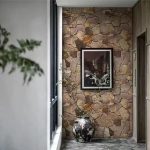
4. Sustainable: Moroccan cultured stone is an eco-friendly building material that is made from natural ingredients and produced using traditional techniques. Its sustainable qualities make it a popular choice for environmentally conscious homeowners and designers.
Conclusion
Moroccan cultured stone, with its rich history, unique characteristics, versatile applications, and numerous benefits, is a timeless and elegant building material that continues to captivate designers and homeowners around the world. Whether used in walls, floors, bathrooms, or kitchens, Moroccan cultured stone adds a touch of luxury and sophistication to any space. Its durability, aesthetic appeal, and sustainability make it a valuable investment for those seeking to create beautiful and enduring environments.